
Why we don't publish a single price
A 5 kW system on one Bengaluru terrace can cost noticeably more or less than on the next, because the panels, inverter, structure and wiring all change with the roof and with your choices. A single number online would be wrong for most homes, so we give a written, itemised quote after seeing your terrace and bills.
What we can do is explain exactly what you're paying for, so you can read any quote with confidence.
What's in a 5 kW system
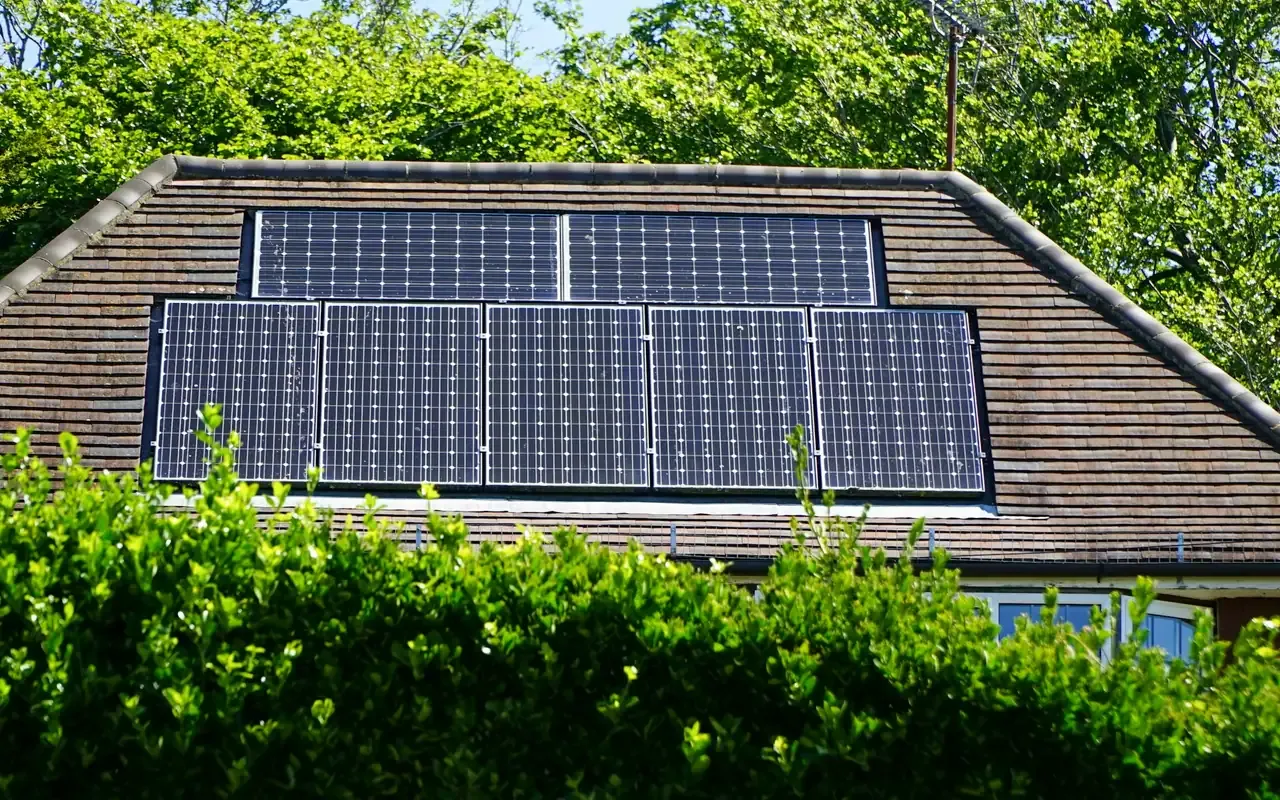
- About 10 solar panels of around 550 W each
- A 5 kW on-grid inverter (or a hybrid inverter if you want battery backup)
- Mounting structure, fixed to your RCC terrace
- DC and AC cables, protection devices, earthing and a lightning arrester
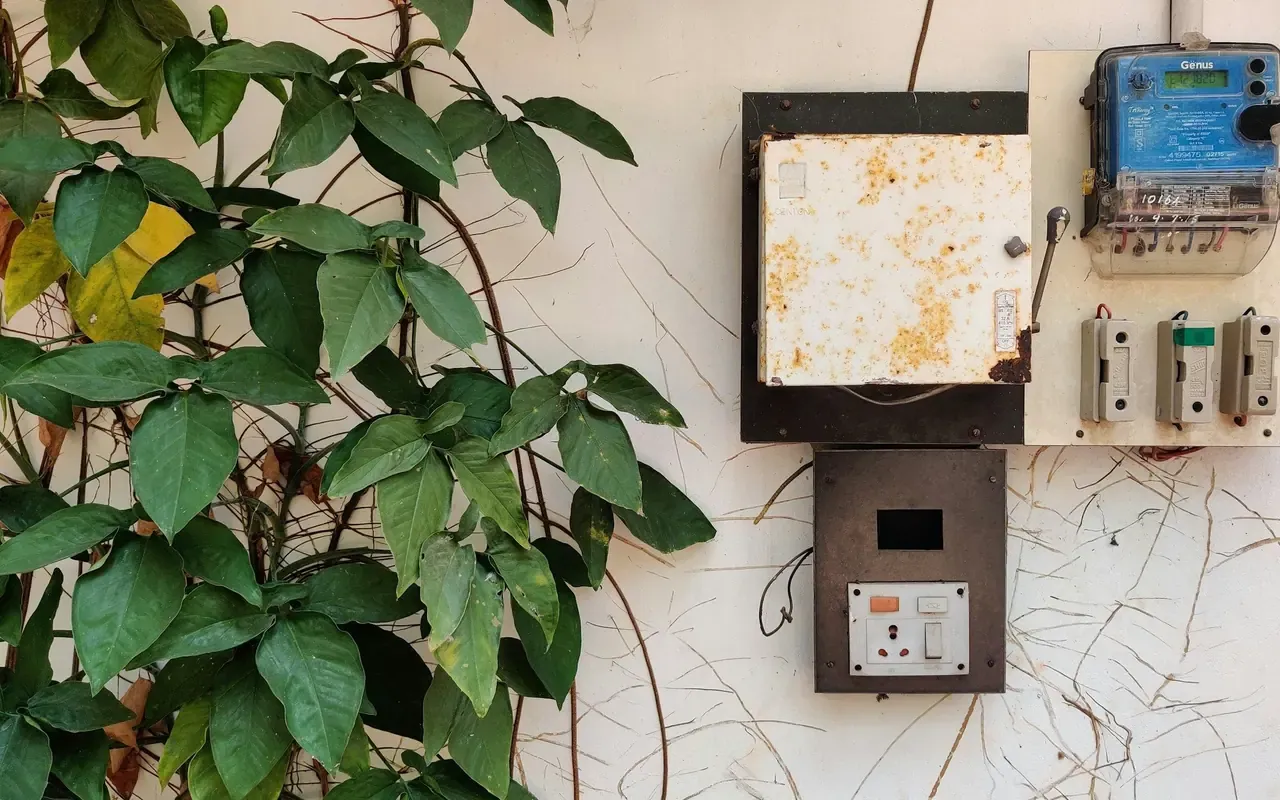
- BESCOM net-metering paperwork and the bidirectional meter
- Installation, commissioning and a monitoring app
A 5 kW system needs about 500 sq ft of shade-free terrace and generates roughly 600 units a month on average in Bengaluru, more in the dry months and less in the monsoon.
What makes the price go up or down
| Part | Costs less | Costs more |
|---|---|---|
| Panels | Non-DCR panels, older cell types | DCR panels (needed for the subsidy), newer high-efficiency cells |
| Inverter | Standard on-grid inverter | Premium brands, or a hybrid inverter for batteries |
| Structure | Low structure on an open terrace | Elevated structure over a water tank, or to keep the terrace usable |
| Terrace | Simple, single-level RCC roof | Split levels, obstructions or difficult access |
| Wiring | Short run from roof to meter | Long cable runs down several floors |
| Connection | Existing three-phase supply | Single-phase supply that needs a load or phase upgrade first |
| Extras | Basic package | Bird-proofing mesh, advanced monitoring, extended warranties or AMC |
How the subsidy applies to 5 kW
Under PM Surya Ghar: Muft Bijli Yojana, the central subsidy for homes is ₹30,000 per kW for the first 2 kW and ₹18,000 for the third kW, capped at ₹78,000. A 5 kW home system therefore gets the same ₹78,000 as a 3 kW one.
The subsidy needs DCR panels and a registered vendor, and it's paid into your bank account (or your loan account) after the system is installed and inspected. See our Karnataka subsidy guide for the details.
How to compare 5 kW quotes
- Check each quote names the panel and inverter brand, model and wattage. A low price with no models is a warning sign
- Compare the same panel type: DCR versus non-DCR changes both the price and your subsidy
- Look at the structure: height, material and whether it suits your terrace
- Ask who files the BESCOM application and who handles the meter change
- Compare warranties: panel performance, inverter and workmanship
- Check what after-sales service is included, and the payment schedule
Paying for it
If you're financing the system, PM Surya Ghar bank loans cover home rooftop solar at concessional rates, with the subsidy credited to the loan. Our solar loans guide has current rates and the steps to apply.
Sources
Rates, rules and subsidy amounts change. We check them when we update this guide; confirm the latest with the source before you apply.