
Why standard solar goes off in a power cut
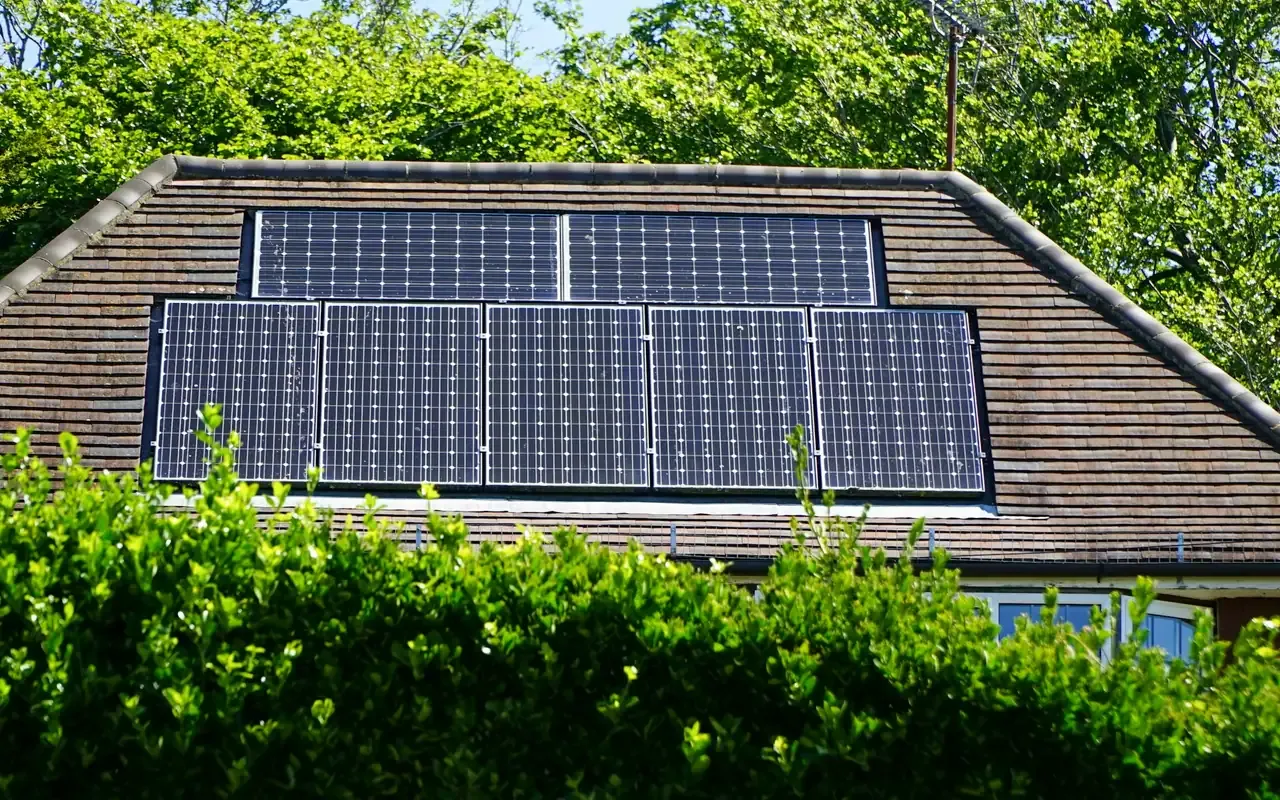
A grid-connected (on-grid) solar system is designed to shut down when the grid fails. This protects line workers repairing the lines, who could otherwise be hurt by power flowing back from your roof. So even on a sunny afternoon, a standard system can't power your home during an outage.
How a hybrid system keeps the lights on
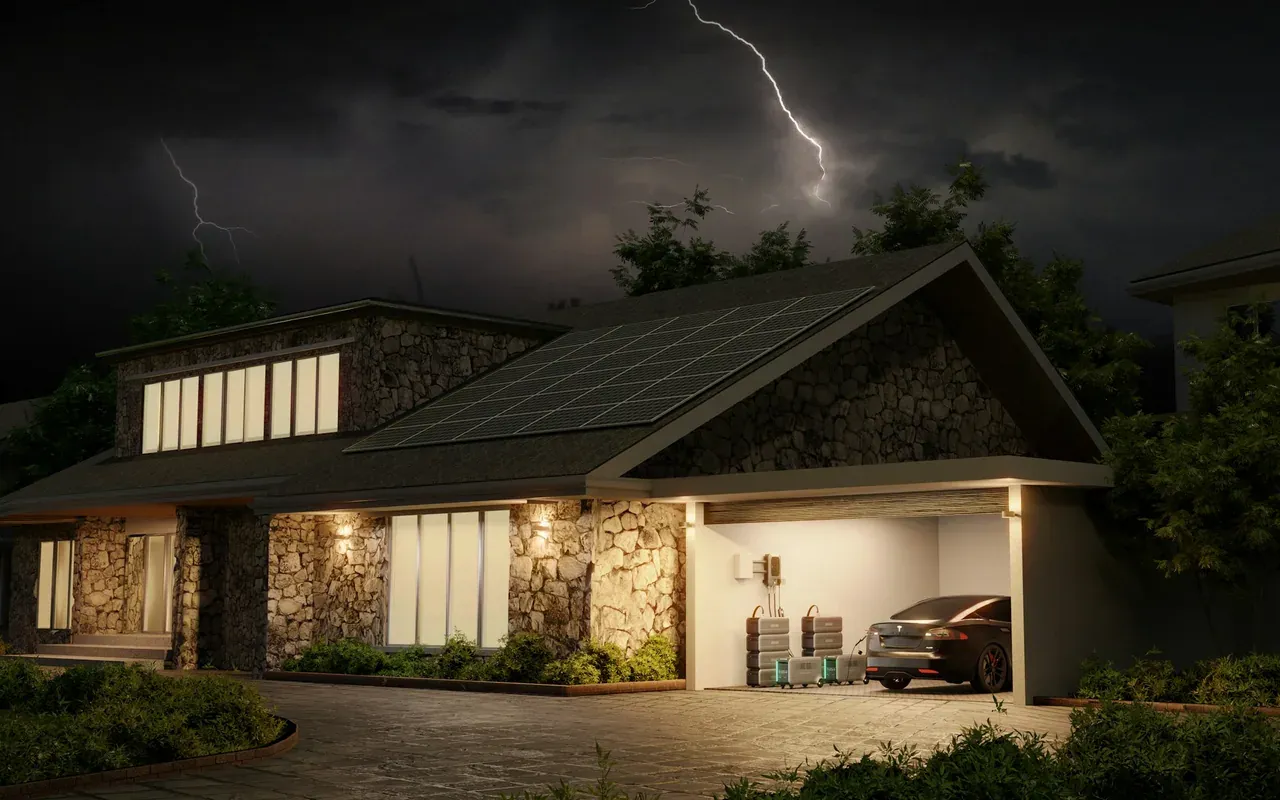
A hybrid system adds a battery and a hybrid inverter. During the day, solar powers your home and charges the battery. When the grid goes down, the inverter switches your essential loads to the battery within moments; with many hybrid inverters the switch is fast enough that lights don't even flicker. When the grid is back, any surplus can still go to BESCOM where net metering allows.
- Backup for the circuits you choose: lights, fans, fridge, Wi-Fi, a TV or a work-from-home setup
- The battery recharges from solar, not only from the grid
- It replaces an old inverter and lead-acid batteries in many homes
How much battery do you need?
Battery size depends on what you want to run and for how long. Add up the power of the essential appliances, multiply by the hours of backup you want, and allow for losses. Here's an example for a typical 4-hour summer power cut.
| Appliance | Power |
|---|---|
| 4 ceiling fans (75 W each) | 300 W |
| 6 LED lights (10 W each) | 60 W |
| Fridge (average draw) | 100 W |
| Wi-Fi router | 15 W |
| TV | 80 W |
| Total | 555 W |
555 W for 4 hours is about 2.2 kWh. Allowing for inverter losses and how much of the battery can be used, that points to a battery of roughly 3 kWh. ACs, geysers and water pumps need far more, so most homes keep them off the backup circuit.
Lithium (LiFePO₄) or lead-acid?
- Lithium iron phosphate (LiFePO₄) batteries last many more charge cycles, can use more of their capacity and need no topping up
- They're compact and wall-mountable, with no acid fumes
- Lead-acid batteries cost less up front but wear out sooner and need maintenance
Adding a battery to an existing system
If you already have on-grid solar, a battery can often be added: either by replacing the inverter with a hybrid one, or by adding a separate battery system. Which works depends on your current inverter, so we check it first.
Subsidy and costs
The PM Surya Ghar: Muft Bijli Yojana subsidy applies to the solar part of a grid-connected home system, not to the battery. Battery capacity is the biggest factor in a hybrid system's cost, so sizing it to what you actually need matters.
Sources
- PM Surya Ghar: national rooftop solar portal
- BESCOM: Solar rooftop application portal (net and gross metering)
Rates, rules and subsidy amounts change. We check them when we update this guide; confirm the latest with the source before you apply.